
This blog explains how cold storage warehouses in the UK support modern industries through temperature-controlled facilities, flexible storage options, and reliable systems that protect sensitive goods.
How Do Cold Storage Warehouses in the UK Support Modern Industries?
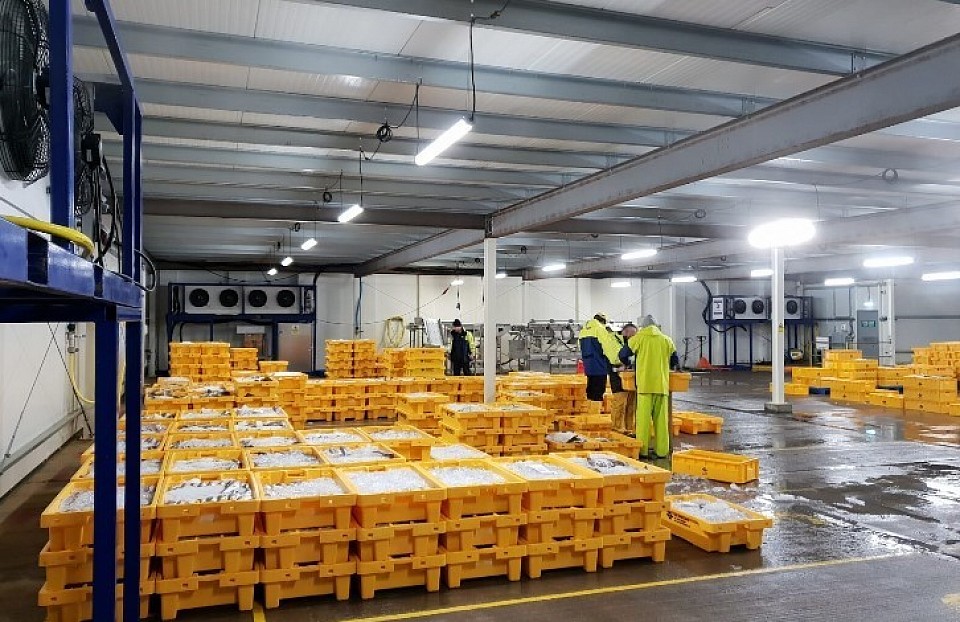
Cold storage plays a quiet but essential role in modern supply chains. From food and medicine to manufacturing and logistics, many industries depend on temperature-controlled environments to protect products and maintain quality. As demand grows, the role of the cold storage warehouse UK market has expanded beyond simple storage into a flexible support system for businesses facing changing conditions.
So how exactly do cold storage warehouses help industries operate smoothly across the UK?
Why Is Cold Storage So Important for UK Businesses?
Many products are highly sensitive to temperature changes. Even small fluctuations can affect safety, shelf life, and performance. This is especially true for food, pharmaceuticals, chemicals, and specialist materials.
A cold storage warehouse UK setup allows businesses to maintain stable temperatures throughout storage and distribution. This reduces waste, protects compliance standards, and ensures products reach customers in the right condition. For industries under strict regulations, cold storage is not optional—it is essential.
How Do Cold Storage Facilities Support the Food Industry?
Food supply chains rely heavily on consistent temperature control. Fresh produce, meat, dairy, and frozen goods all require specific conditions from storage to transport.
Modern cold storage facilities help food businesses manage seasonal demand, unexpected delays, and short-term storage needs. They also support food safety by reducing the risk of spoilage and contamination.
By providing controlled environments close to distribution hubs, cold storage facilities help food suppliers respond quickly to changes in demand without compromising quality.
What Role Do Cold Storage Warehouses Play in Pharmaceuticals?
The pharmaceutical industry depends on precision. Vaccines, medicines, and medical samples often require strict temperature ranges at all times.
A cold storage warehouse UK solution helps pharmaceutical companies maintain compliance with regulatory standards while protecting product integrity. Temperature-controlled storage also supports clinical trials and distribution to hospitals and pharmacies.
In this sector, reliability and monitoring are just as important as cooling itself.
Why Are Temporary Cold Storage Solutions Becoming More Common?
Not every business needs permanent cold storage. Some face short-term increases in demand, seasonal peaks, or unexpected disruptions. This is where temporary buildings hire becomes a practical option.
Temporary cold storage structures can be installed quickly and removed when no longer needed. They offer flexibility without the long-term costs of permanent construction. Industries such as retail, events, and food processing often use temporary buildings hire to manage overflow or emergency situations.
This adaptability has become increasingly valuable in today’s fast-changing market.
How Do Cold Storage Facilities Help During Supply Chain Disruptions?
Supply chains are rarely predictable. Delays, transport issues, and sudden changes in demand can all create storage challenges.
Cold storage facilities act as buffers during these disruptions. They allow businesses to hold products safely until transport resumes or demand stabilises. This prevents losses and gives companies more control over timing.
For industries handling perishable goods, access to reliable cold storage can mean the difference between recovery and costly waste.
What Is the Role of AHU Systems in Cold Storage?
Temperature control in cold storage environments depends on more than just cooling units. An AHU (Air Handling Unit) plays a critical role in maintaining airflow, humidity, and air quality.
An AHU ensures cold air is distributed evenly throughout the storage space. This prevents hot spots, condensation, and uneven temperatures that could damage stored goods. In many cold storage facilities, AHU systems also help maintain hygiene standards by controlling air filtration.
Without properly designed AHU systems, even the best cooling equipment can fall short.
How Do Cold Storage Warehouses Support Manufacturing?
Manufacturing processes often require controlled storage for raw materials, components, or finished products. This is common in industries such as electronics, chemicals, and advanced materials.
A cold storage warehouse UK option allows manufacturers to protect sensitive materials before and after production. It also supports just-in-time manufacturing by holding stock close to production sites.
By reducing spoilage and damage, cold storage supports efficiency and cost control in manufacturing operations.
Why Is Location Important for Cold Storage Facilities?
Location plays a major role in how effective cold storage can be. Facilities near ports, transport routes, or production centres reduce handling time and exposure to temperature changes.
Well-placed cold storage facilities help businesses shorten delivery times and reduce energy use during transport. This supports both operational efficiency and sustainability goals.
In the UK, proximity to logistics hubs is a key factor driving demand for flexible cold storage solutions.
Can Temporary Cold Storage Meet Long-Term Standards?
Temporary does not mean low quality. Modern temporary buildings hire solutions are designed to meet the same performance standards as permanent structures.
These systems often include insulation, monitoring, and AHU integration to ensure stable conditions. For businesses needing short-term capacity without compromising compliance, temporary cold storage can be a reliable solution.
This approach allows companies to scale storage up or down as needed without long-term commitments.
How Does Technology Improve Cold Storage Management?
Technology has transformed how cold storage is monitored and managed. Sensors, remote monitoring, and automated controls help maintain stable environments around the clock.
In a cold storage warehouse UK setting, these systems provide real-time data on temperature, humidity, and airflow. This reduces human error and allows quick response to issues before products are affected.
Advanced control systems also improve energy efficiency, helping businesses manage costs more effectively.
What Does the Future Look Like for Cold Storage in the UK?
As industries continue to evolve, demand for flexible and reliable cold storage is expected to grow. E-commerce, healthcare, and food delivery services are placing new pressures on storage and distribution networks.
The future of cold storage facilities lies in adaptability—systems that can be deployed quickly, scaled easily, and maintained efficiently. Temporary solutions, combined with advanced AHU systems, are likely to play a larger role in meeting these needs.
Cold storage is no longer just about keeping things cold; it is about supporting resilience and responsiveness across industries.
Final Thoughts
Cold storage warehouses play a vital role in keeping modern industries moving. From protecting perishable goods to supporting flexible supply chains, they provide stability in an unpredictable environment.
Whether through a cold storage warehouse UK setup, adaptable temporary buildings hire, or well-designed AHU systems, businesses rely on these solutions to maintain quality and compliance. Providers such as
reflect how modern cold storage approaches focus on flexibility, reliability, and industry-specific needs rather than one-size-fits-all solutions.
